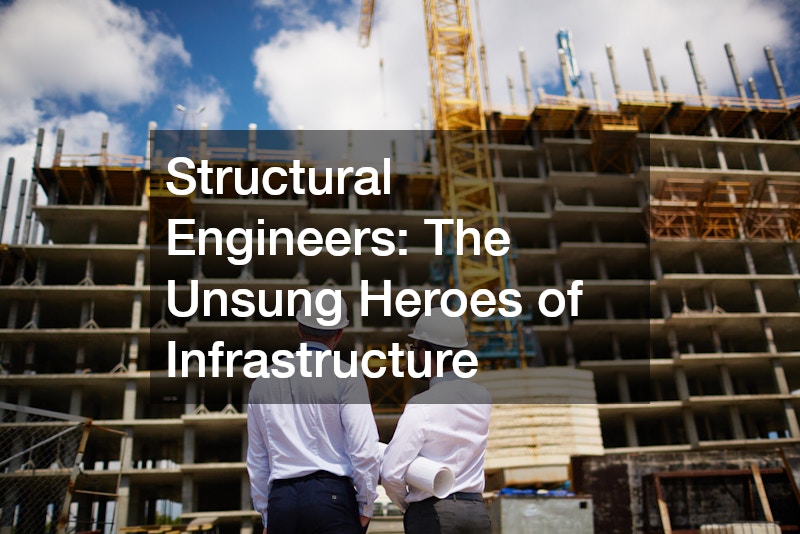
Structural engineers are vital in shaping urban landscapes and maintaining infrastructure safety. They ensure buildings and bridges are safe and functional, directly impacting community life and providing secure living and working environments.
1. What Do Structural Engineers Do?
1.1 The Role of Structural Engineers
Structural engineers design and assess structures for safe load-bearing and environmental conditions, ensuring compliance with safety standards. Collaborating with architects, they balance aesthetics, functionality, and safety over a building’s lifecycle, involving continuous monitoring and adaptation to technological advancements.
1.2 Education and Skills Required
Becoming a structural engineer requires education in engineering disciplines, often progressing from a bachelor’s to a master’s degree, followed by professional licensure. Essential skills range from technical software proficiency to strong communication and problem-solving abilities. Continuous professional development keeps engineers competitive and updated.
1.3 Daily Tasks and Challenges
Structural engineers translate architectural designs into detailed calculations, assess project risks, and adapt designs to geographic and budget constraints. They navigate challenges such as meeting building codes and managing unforeseen variables, all while integrating and balancing technological advancements.
1.4 The Impact of Technology
Technology enhances structural engineering, offering tools like BIM for accurate design and collaboration. Materials science innovations and real-time monitoring systems contribute to safer, more resilient constructions. Engineers must stay informed to integrate these advancements effectively.
1.5 Famous Structures Engineered
Iconic structures such as Dubai’s Burj Khalifa and France’s Milau Viaduct showcase structural engineering’s blend of creativity and expertise. Historical landmarks like the Eiffel Tower exemplify enduring engineering principles, inspiring future innovations.
2. How Do Structural Engineers Ensure Safety?
2.1 Regulations and Codes
Engineering codes like the IBC ensure safety in construction practices. Engineers maintain current knowledge of local and international standards, integrating safety into their designs and coordinating regulatory compliance efficiently. Continuous professional development and training are essential to adapt to emerging regulations and ensure ongoing compliance.
2.2 Material Selection
Choosing proper materials is crucial for ensuring structure safety, durability, and environmental sustainability. Engineers use data to select suitable materials, increasingly opting for sustainable options to enhance project longevity. Innovative materials such as smart composites are being explored to improve resilience and environmental impact.
2.3 Risk Assessment Processes
Structural engineers use risk assessment tools to identify and mitigate potential hazards in project planning, ensuring safe designs. Collaboration with project stakeholders is crucial for effective risk management. A proactive approach to risk management includes regular updates and scenario analysis to foresee potential challenges.
2.4 Structural Testing Techniques
Testing methods, both non-destructive and destructive, validate the performance of materials and structural designs. Innovations in testing technology enhance precision and safety assurance. Implementing real-time monitoring systems can further assist in identifying structural health issues promptly.
2.5 Innovations in Safety Protocols
Advancements in digital technologies support safety protocols, identifying risks through data analysis. Continual updates in safety practices and collaboration improve overall safety culture in engineering projects. Integrating AI and machine learning in safety protocols encourages predictive analytics for preemptive issue resolution.
3. What Are the Challenges Faced by Structural Engineers?
3.1 Environmental Impact and Sustainability
Efforts to reduce environmental impact involve using sustainable materials and reducing energy consumption. Green certifications like LEED incentivize eco-friendly practices despite potential initial cost challenges. Ongoing research and development in sustainable technology aim to overcome these cost barriers.
3.2 Climate Change Effects
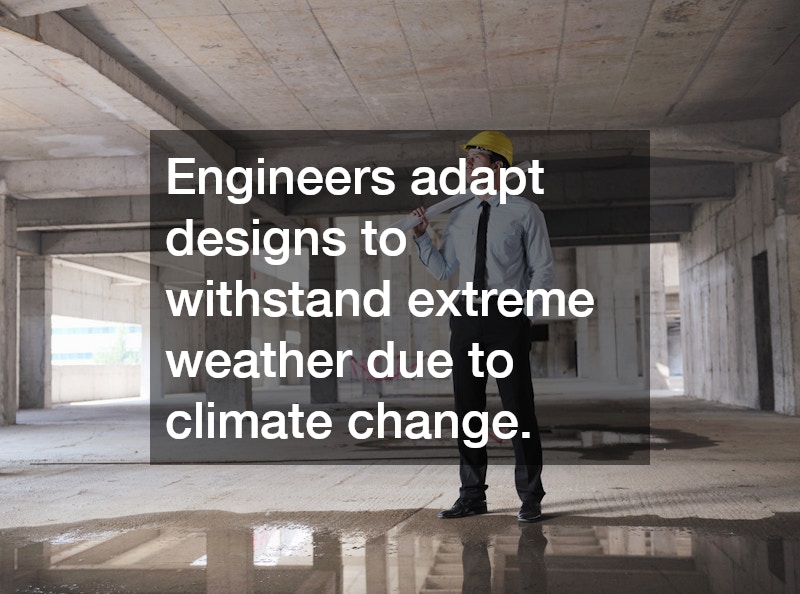
Engineers adapt designs to withstand extreme weather due to climate change, using resilient materials and methods. This requires collaboration with experts and policy adjustments for sustainable solutions. Scenario planning is essential to anticipate changes and implement adaptive measures swiftly.
3.3 Urbanization and Population Growth
Urbanization demands innovative infrastructure to accommodate growing populations. Engineers design efficient transportation networks and adaptable structures within resource constraints. Incorporating smart city technologies can optimize urban planning and resource management.
3.4 Budget Constraints
Meeting high standards within budget limitations necessitates strategic value engineering and communication of long-term benefits. Engineers seek cost-effective solutions that maintain quality and safety. Leveraging public-private partnerships can provide additional resources and innovation opportunities.
3.5 Technological Dependence
While technology enhances engineering capabilities, it requires continuous learning and caution against over-reliance. Engineers balance technological integration with essential human expertise. Regular training and skill updates help engineers remain adept in both traditional and advanced techniques.
Structural engineers are crucial to infrastructure development, integrating technology and safety within environmental and economic constraints. Their dedication to learning, collaboration, and sustainable practices ensures safe, resilient infrastructures for the future.