
Tenant turnover in commercial real estate is a high-stakes period filled with logistical hurdles. When a business packs up and leaves a retail space, office building, or industrial warehouse, the property manager faces an immediate countdown. Every week the square footage sits vacant translates directly to lost rental income and ongoing carrying costs. However, rushing to fill the void without a meticulous evaluation of the premises is a recipe for long-term financial disaster. Hidden structural damage, neglected mechanical systems, or compromised safety elements can quickly snowball into expensive emergency repairs or legal disputes with the incoming tenant.
To protect the value of the investment, property owners and managers need a reliable framework. A piecemeal walk-through simply will not cut it when dealing with complex corporate facilities. A structured, comprehensive tenant turnover process bridges the gap between a departing tenant’s exit and a new tenant’s seamless move-in. It ensures that the building remains compliant with local building codes, energy standards, and safety regulations. Furthermore, an exhaustive review allows managers to hold the outgoing tenant accountable for any damages beyond normal wear and tear, securing security deposit funds appropriately. This ultimate turnover checklist covers the essential operational areas that require immediate attention during a lease transition. By following these steps, landlords can minimize vacancy times, protect physical assets, and create a welcoming, fully operational environment for the next business.
Securing the Perimeter and Access Control
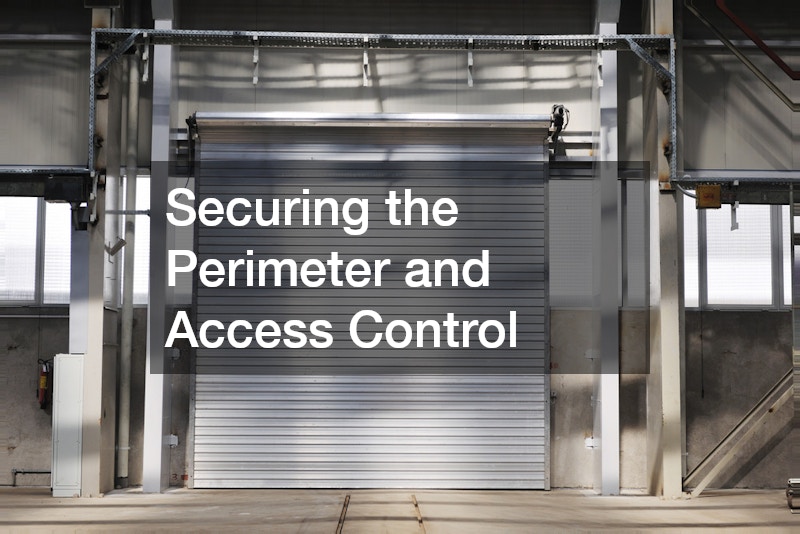
The absolute first priority when a tenant hands back the keys is establishing complete control over who can enter the building. Throughout a multi-year lease, a business may have distributed countless keys, keycards, or access codes to employees, vendors, cleaners, and temporary contractors. It is virtually impossible to track down every single duplicate made during that timeframe. Therefore, maintaining the status quo is a massive liability risk for the property owner. Managers must immediately address the physical locking mechanisms on all exterior entry points. Scheduling a professional technician to rekey lock units across the entire property is the single most effective way to eliminate unauthorized access. This simple step ensures that former employees or old vendors cannot walk back into the facility after hours.
While updating the physical keys, the hardware housing those locks deserves equal scrutiny. Commercial entryways endure heavy daily foot traffic, which subjects hinges, latches, and closing mechanisms to intense mechanical stress. A sagging or misaligned door can prevent the latch from engaging correctly, rendering even the most advanced lock entirely useless. Property managers should test every single commercial door on the property to verify that it closes smoothly, seals tightly against the elements, and latches securely without requiring human assistance. This inspection must also extend to emergency exit paths, panic bars, and fire-rated doors to guarantee compliance with local safety regulations. Correcting these minor mechanical alignments early prevents costly security breaches and drafts that drive up utility bills.
Clearing the Floor and Managing Interior Assets

Once the perimeter is entirely secure, the focus shifts to the interior layout and any physical property left behind by the previous occupant. Commercial leases typically dictate that the tenant must return the space in a clean condition, devoid of personal property, unless otherwise negotiated. In practice, however, many businesses leave behind bulky items that they no longer need or cannot afford to transport to their new location. The most common remnants are pieces of modular office furniture such as broken cubicle walls, outdated desks, worn-out conference tables, and heavy filing cabinets. Property managers must document these items immediately with photographs and determine if they can be refurbished for the next tenant or if they need to be hauled away by a corporate liquidation service.
Beyond standard workspaces, specialized commercial spaces like restaurants, corporate cafeterias, or medical labs often contain heavy equipment that requires a technical eye. If the departing business operated a food service or employee breakroom, checking the built-in cooling appliances is mandatory. Leaving specialized commercial refrigeration units sitting idle or dirty can lead to foul odors, mold growth, and mechanical failure of the compressors. These units must be thoroughly cleaned, inspected for refrigerant leaks, and tested to ensure they maintain the proper target temperatures. Decisions must be made quickly regarding whether to include these expensive cooling assets as a feature for the next lease or to have them professionally decommissioned and removed to restore the footprint of the room.
Assessing Climate Systems and Thermal Comfort
A commercial building’s mechanical heart is its climate control network, which directly influences occupant comfort, indoor air quality, and overall energy expenses. During a tenant transition, landlords cannot afford to take a passive approach to heating and cooling infrastructure. If a tenant neglected routine filter changes or operated systems at extreme temperatures, the internal components might be near the point of failure. Property managers should immediately arrange for a comprehensive commercial HVAC service to evaluate the operational health of all rooftop units, split systems, and exhaust fans. This specialized service involves cleaning condenser coils, checking electrical connections, testing thermostats, and replacing old air filters to maximize immediate airflow efficiency.
Investing in preventative care at this stage is much smarter than waiting for a system to break down during a new tenant’s first week of operation. If the initial assessment uncovers worn bearings, failing compressors, or cracked heat exchangers, bringing in a certified HVAC contractor is the next logical step. These professionals can perform advanced diagnostics, recommend specific equipment upgrades, and ensure that the entire ventilation system meets current ventilation codes for commercial occupancies. Properly balancing the airflow across different zones of the building ensures that future occupants will not suffer from frustrating hot or cold spots. Furthermore, having detailed maintenance records from a qualified specialist provides documentation that reassures prospective tenants that the property is managed with care.
Reviewing the Plumbing and Waste Infrastructure
Plumbing systems in commercial properties are highly vulnerable to abuse and neglect, primarily because users rarely treat public or shared facilities with the same care as residential systems. When a tenant moves out, a thorough forensic inspection of the water supply and waste lines is vital. Clogged drains, slow leaks behind walls, and malfunctioning flush valves can quietly destroy a property’s infrastructure over time. Hiring an experienced commercial plumber to perform a complete system audit can save thousands of dollars down the road. These specialists use advanced diagnostic tools, such as inline sewer cameras, to inspect the interior of main waste lines, ensuring there are no deep blockages or invading tree roots waiting to cause a major backup.
In addition to waste lines, the technician will evaluate the building’s water heating equipment, commercial restrooms, and backflow prevention assemblies. High-occupancy buildings place a heavy demand on water heaters, meaning tank sediment buildup or failing heating elements are common issues that lower efficiency. Restroom fixtures must be checked for persistent ghost-flushing or slow drips that silently inflate monthly water bills. If the property features specialized facilities like commercial kitchens or laboratory sinks, the inspection must also include grease traps and chemical neutralizers. Ensuring that all plumbing fixtures are fully operational and code-compliant before a new business takes possession eliminates immediate maintenance complaints and prevents catastrophic water damage that could halt business operations.
Evaluating the Building Shell and Overhead Protection
While interior inspections are essential, the external structure of a commercial building provides the vital defense mechanism against the elements. The roof is the most critical component of this protective shell, yet it is often completely ignored until a ceiling tile starts dripping inside the workspace. During the turnover window, a visual inspection from the ground is simply insufficient. Landlords should hire local roofers to walk the roof surface, clearing away accumulated debris, leaves, and branches that block drainage paths. These professionals can spot early warning signs of trouble, such as blistering membranes, cracked flashing around penetrations, or loose downspouts that divert water toward the building’s foundation instead of away from it.
For large-scale properties with complex flat or low-slope roofing systems, a specialized commercial roofer should be brought in to conduct a more technical evaluation. Flat commercial roofs face unique challenges, including standing water ponding and UV degradation of the specialized membrane materials. A qualified roofing professional can perform moisture scans to locate hidden trapped water beneath the surface layer before it rots the structural decking below. Catching these vulnerabilities early allows for targeted patching and seam repairs, which can successfully extend the overall life of the roof by several years. This proactive strategy protects the landlord’s capital budget by delaying the massive expenditure of a complete roof replacement while ensuring the interior stays dry.
Enhancing Building Insulation and Thermal Efficiency
Modern commercial tenants are increasingly focused on operational sustainability and lowering their monthly overhead expenses. A property that is drafty, expensive to heat, and poorly insulated will struggle to attract high-quality long-term corporate occupants. Therefore, smart property managers utilize the turnover period to evaluate the building’s thermal envelope and insulation quality. Gaps in the structural seals around rim joists, roof decks, and wall assemblies allow conditioned air to escape continuously. Applying commercial spray foam to these problematic areas is an incredibly effective method for creating a seamless air barrier that drastically reduces energy consumption. This advanced insulation material expands rapidly upon application, filling tiny cracks and crevices that traditional fiberglass batts can never properly seal.
Improving the building’s thermal performance yields immediate dividends for the property owner, even while the space remains temporarily vacant. It lowers the baseline heating and cooling costs that the landlord must pay out of pocket during the transition period. Once a new tenant moves in, the enhanced insulation helps maintain consistent indoor temperatures and reduces the mechanical strain on rooftop HVAC units. This means fewer repair calls and an extended lifespan for expensive climate control machinery. By explicitly highlighting these energy-efficient infrastructure upgrades in marketing materials, landlords can position their commercial listings as premium, cost-effective spaces that provide superior financial value compared to older, uninsulated alternative buildings in the local market.
Final Aesthetics and Regulatory Compliance
With all major mechanical, structural, and security systems fully vetted and restored, the final phase of the tenant turnover checklist shifts to cosmetic enhancements and regulatory compliance updates. First impressions matter immensely when showing a vacant space to prospective corporate clients or retail operators. Dingy walls, stained carpets, and flickering fluorescent bulbs can immediately turn off a buyer, regardless of how well the rooftop HVAC system functions. Investing in a fresh coat of neutral paint throughout the interior instantly brightens the rooms and masks any lingering odors from the previous occupancy. Professional carpet cleaning or floor polishing removes years of high-traffic scuff marks, restoring a clean appearance to the entire floor plan.
Simultaneously, landlords must verify that the property satisfies all current Americans with Disabilities Act requirements and local fire safety regulations. This includes testing all emergency exit signs to ensure their battery backups work during power outages, inspecting fire extinguishers for valid inspection tags, and checking that smoke and carbon monoxide detectors are operational. If the previous tenant made unpermitted modifications to the interior layout, those changes must be brought up to code or removed entirely. Taking the time to handle these detail-oriented tasks during the vacancy window guarantees a smooth permitting process when the next tenant applies for their local certificate of occupancy, preventing administrative delays that stall lease start dates.
Managing a commercial property turnover does not have to be a chaotic or overwhelming ordeal. By approaching the transition with a structured checklist, property managers can systematically transform a vacant, worn-out space into a highly desirable, market-ready asset. Addressing security, structural integrity, mechanical systems, and interior aesthetics ensures that no hidden issues are left behind to complicate future tenant relationships. While the upfront investment of time and resources into thorough inspections might seem substantial, the long-term rewards are undeniable. A well-maintained building attracts stable, high-quality businesses that are willing to sign longer leases and pay premium rental rates. Ultimately, a disciplined tenant turnover process protects the landlord’s bottom line, preserves the physical value of the real estate asset, and sets the stage for a profitable and harmonious partnership with the next commercial occupant.
